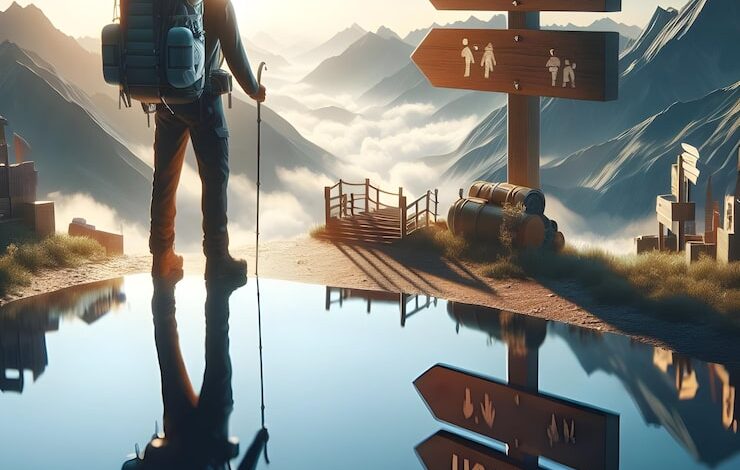
The Ultimate Guide to Planning Your Ideal Backpacking Route

Backpacking is an adventure that combines exploration, nature, and self-discovery. Whether you’re venturing into the mountains, trekking through dense forests, or navigating rugged terrain, choosing the right backpacking route is key to ensuring a fulfilling experience. In this article, we’ll walk you through the essentials of planning your ideal backpacking route, from selecting the right destination to practical tips on how to stay safe and comfortable on your journey.
1. Choosing the Right Destination
The first step in planning your backpacking route is selecting a destination that aligns with your skill level and interests. Are you looking for a short weekend hike or an extended multi-day trek? Some popular backpacking routes include mountain ranges like the Rockies, the Appalachian Trail, or the Pacific Crest Trail. Research the climate, difficulty level, and the type of terrain to determine whether it’s suited to your abilities.
If you’re a beginner, start with an easy trail and gradually work your way up to more challenging routes. Advanced trekkers may want to tackle more remote or mountainous paths. The key is to choose a route that suits your physical conditioning, experience, and personal preferences.

2. Researching the Trail
Once you have an idea of your destination, spend time researching the backpacking route in detail. Use online maps, guidebooks, and forums to gather information on the trail’s length, elevation, and any potential hazards. You’ll also want to check for nearby campsites, water sources, and key points of interest along the way.
Consider factors such as wildlife, local regulations, and environmental conditions, especially if you’re traveling through remote areas. Some trails require permits, so be sure to check if you need one before starting your trip.
3. Planning Your Itinerary
Planning a backpacking route itinerary is crucial for a smooth trip. Break your journey down into manageable segments based on the distance and difficulty of each section. Take note of the places you’ll stop to rest, refill water, and camp. If you’re embarking on a multi-day trek, plan your rest days and set realistic goals for each day.
Keep in mind that your itinerary should allow for some flexibility. Unexpected delays, weather changes, or fatigue might cause you to adjust your schedule. It’s always a good idea to have a few backup options in case you need to change your plans.
4. Packing the Essentials
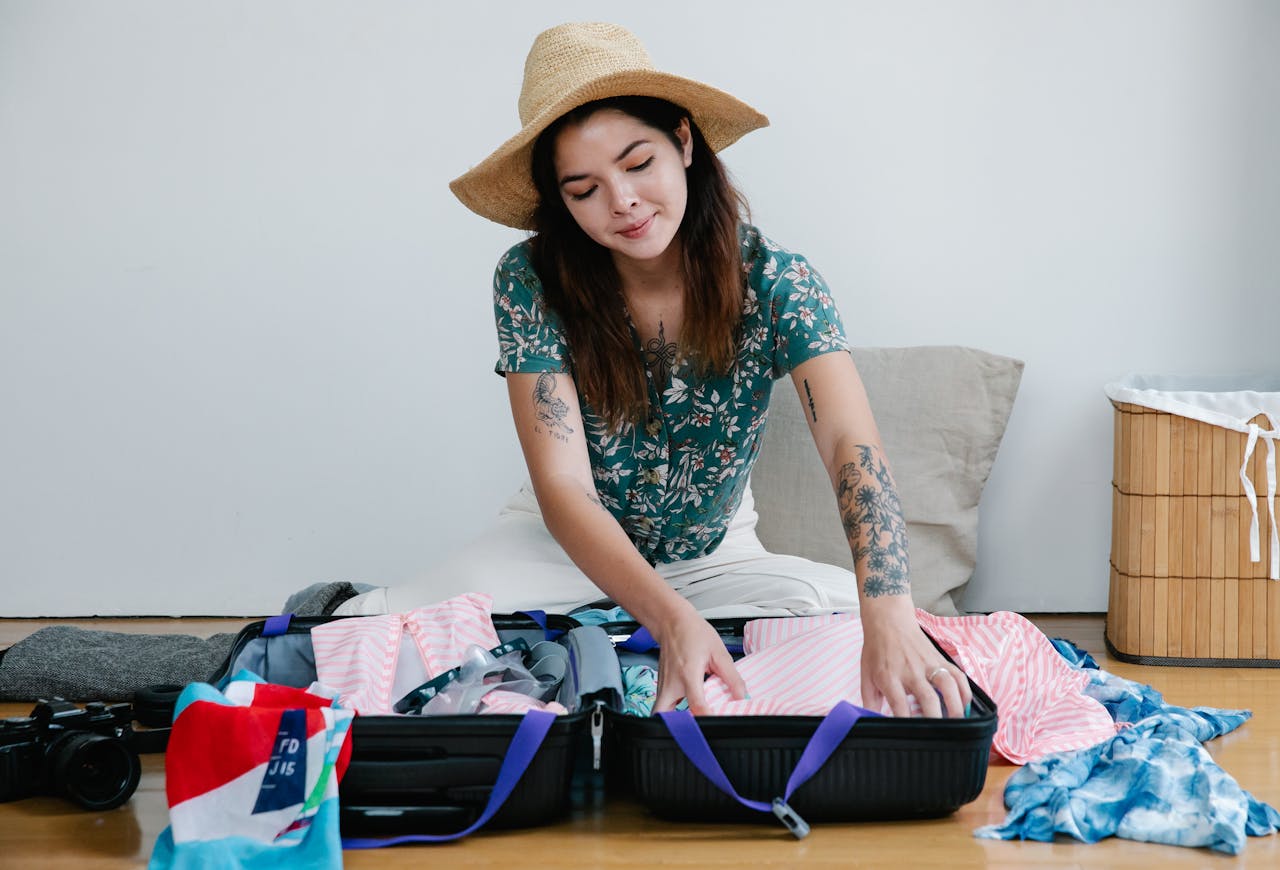
What you pack for your backpacking route can make or break your experience. Light, durable gear is key for long treks. Some essential items include:
-
A lightweight tent or shelter
-
Sleeping bag and pad
-
Backpack (with a good suspension system)
-
Clothing for various weather conditions
-
Food and snacks (consider lightweight dehydrated meals)
-
Water bottles or filtration system
-
Navigation tools (map, compass, GPS)
-
First aid kit
-
Multi-tool or knife
Make sure to pack according to the climate and terrain of your backpacking route. Opt for layers that you can add or remove as temperatures change, and make sure you’re prepared for unexpected weather conditions.
5. Staying Safe on Your Journey
Safety is paramount on any backpacking route. To minimize risks, always inform someone close to you about your itinerary and expected return date. Carry a satellite phone or emergency beacon if you’re heading into remote areas. Check the weather forecast before setting out and be prepared to adjust your plans if needed.
Keep an eye out for wildlife, and know how to handle encounters with bears, mountain lions, or snakes. Stay hydrated, take breaks when necessary, and avoid overexertion. Practice Leave No Trace principles to protect the natural environment.

Conclusion
Selecting the right backpacking route is an exciting step toward creating an unforgettable adventure. By thoroughly researching the route, planning your itinerary, packing wisely, and prioritizing safety, you’ll be set for an enjoyable and fulfilling journey. Whether you’re a seasoned backpacker or a beginner, the right route can make all the difference in ensuring your trip is both challenging and rewarding. So, grab your gear, map out your path, and get ready for an adventure that will leave you with lifelong memories!