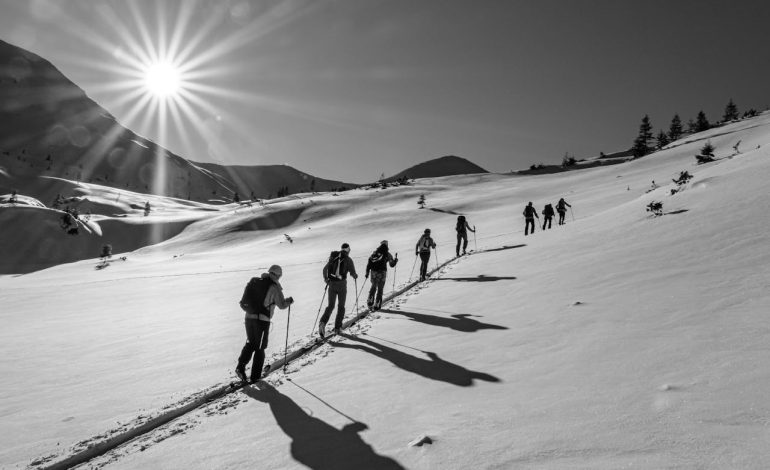
Discover the Ultimate Guide to Adventure Travel Experiences

1. Begin with Research: Choosing the Right Destination
Adventure travel isn’t one-size-fits-all. Start by identifying what excites you most—whether it’s scaling mountains, diving deep underwater, or exploring dense jungles. Research destinations that cater to your preferences, and consider factors like climate, difficulty level, and cultural highlights. Reading travel blogs, watching documentaries, and consulting fellow adventurers can help you narrow down your options.
2. Gear Up: Packing Essentials for Every Adventure
The right gear can make or break your experience. For trekking or hiking trips, invest in high-quality boots, moisture-wicking clothing, and a durable backpack. Water sports enthusiasts should focus on items like wetsuits and waterproof bags. Always carry a first-aid kit, reusable water bottle, and portable charger, no matter the adventure. Preparing for extreme weather conditions ensures safety and comfort throughout your journey.
3. Learn the Ropes: Pre-Adventure Training and Skills
Some adventures require a bit of preparation before you dive in. For instance, scuba diving demands certification, while high-altitude trekking benefits from cardio and strength training. Familiarize yourself with basic survival skills such as navigating with a compass, starting a fire, and treating minor injuries. These skills can significantly enhance your confidence and safety.
4. Go Local: Embracing Indigenous Knowledge and Culture
Local guides are often the unsung heroes of adventure travel. They know the terrain, understand potential risks, and can introduce you to hidden gems that aren’t on typical tourist maps. Additionally, immersing yourself in local culture—tasting traditional foods, participating in festivals, and learning regional history—adds depth to your journey, turning it into an enriching experience.
5. Safety First: Assessing Risks and Insurance
Adventures come with inherent risks, but proper planning can mitigate them. Always research the safety standards of activity providers and verify their certifications. Consider travel insurance that specifically covers adventure activities, from trekking accidents to diving mishaps. Carry a list of emergency contacts and familiarize yourself with local medical facilities.
6. Reflect and Record: Capturing the Experience
Finally, document your adventure in a way that lets you relive it for years to come. Whether through photography, journaling, or videos, capturing the essence of your experience preserves the memories. Sharing your stories with others can also inspire future adventurers and help you connect with like-minded thrill-seekers.
Both articles provide detailed, immersive information that engages readers with practical advice and vivid imagery tailored to the thrill-seeking adventurer.